 |
|
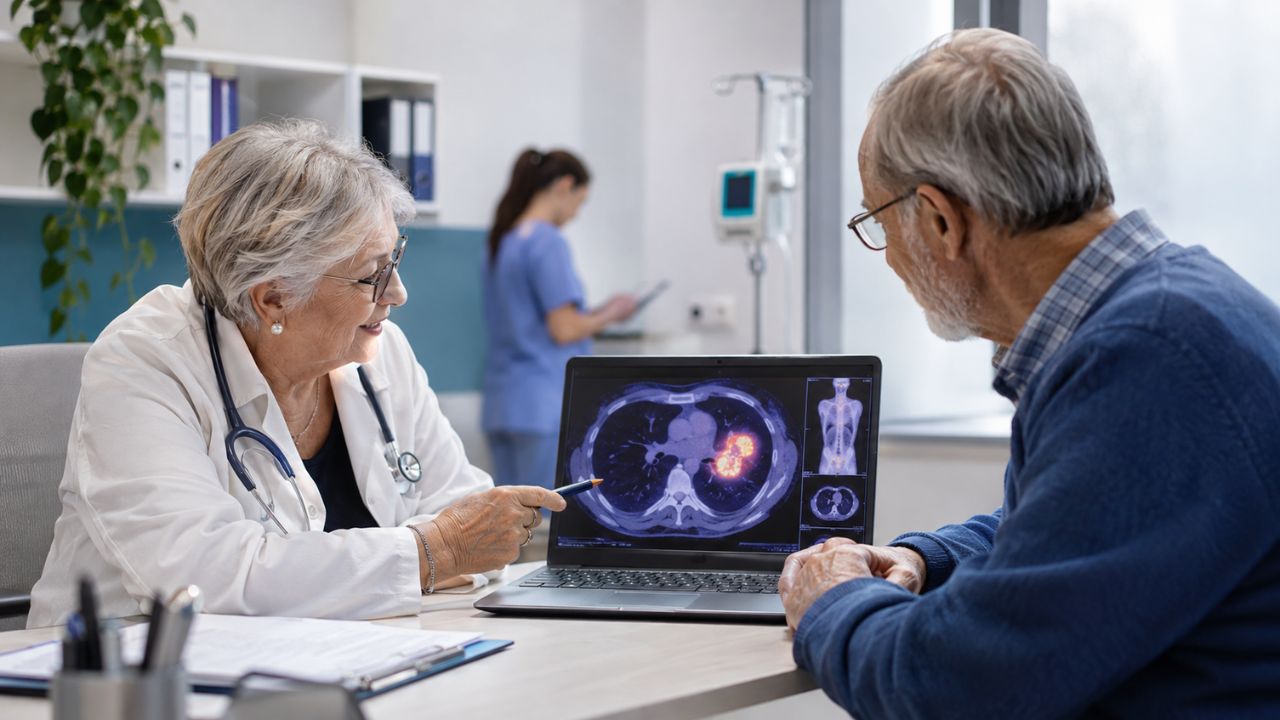 What Private Oncology Care Actually Offers UK Patients in 2026The weeks after a suspected cancer diagnosis tend to be filled with waiting, whether for a scan slot or a biopsy result. Private oncology sits alongside the NHS rather than replacing it, and the differences patients notice are more specific than the shorthand of faster and fancier suggests. The real differences come down mainly to scheduling, continuity and cost, and each deserves a closer look before anyone commits to paying. What to Expect From a Private Oncology ConsultationThe most consistent difference between private and NHS cancer care is time with the specialist. A private first appointment is usually booked directly with the consultant, runs longer than a standard clinic slot, and leaves room to bring a partner or relative along. Longer appointments also give the consultant space to go through the scans on screen with the patient, which many people find easier to absorb than a letter. Follow-up tends to stay with the same doctor instead of passing between members of a clinic team. Patients researching private oncology care often expect the main benefit to be the building, with its quieter waiting areas and private rooms. In practice, the direct line to one decision maker counts for more, because cancer treatment is rarely a single event. Radiotherapy schedules, drug choices and scan intervals get adjusted as results arrive, and a consultant who owns those adjustments saves the patient from repeating their history at every visit. NHS Cancer Waiting Times in 2026: What the Latest Figures ShowWaiting is the reason most people start looking at private options, so the numbers deserve a plain reading. England measures cancer care against three main standards. One covers diagnosis or an all-clear within 28 days of an urgent referral, another covers a first treatment within 31 days of a decision to treat, and the third covers a first treatment within 62 days of an urgent referral. Cancer Research UK’s September 2026 data brief puts performance in England at 76.2% against an 80% target for the 28-day standard, 91.5% against 96% for the 31-day standard and 70.7% against 85% for the 62-day standard. The 62-day standard also carries an interim goal of 75%, introduced in March 2026, and September’s result sat below that as well. Put another way, close to three in ten patients on the 62-day pathway began treatment after the two month mark. Those figures are national averages, and experience varies between hospitals and between cancer types. Many patients are seen well inside the standard, which is why a headline percentage says little about any single referral. The 28-day standard also counts everyone who is told they do not have cancer, while the 31-day and 62-day standards count only people who go on to start treatment, so the three percentages measure different groups of patients and should not be compared directly. Private appointments do not alter the clinical evidence behind a treatment plan. What they alter is how soon a first consultation and a first scan can be booked, which is the stage where most patients feel the delay. Cancer Treatments and Therapies Available Through Private CarePrivate hospitals can offer some radiotherapy techniques and drug options on a different timetable from the NHS, where availability is governed by commissioning policy and cost effectiveness appraisal. Proton beam therapy is the clearest example. High energy proton treatment is commissioned on the NHS for a defined set of cases, while University College London Hospitals also runs a private proton facility for patients who pay or hold suitable insurance. Access is not the same as benefit. Some therapies sold privately have limited evidence for a particular cancer, and a patient who funds one is buying an option rather than a better outcome by default. A good consultant says so plainly when a treatment is not recommended and explains what the alternatives are. Logistics deserve attention too. Many radiotherapy courses run on weekdays over several weeks, so the location of the treatment machine matters as much as its specification. Travelling from outside London for daily sessions adds cost and fatigue that never appear on the quote. Drugs follow a similar pattern. In England, NICE appraisals decide which medicines the NHS funds routinely, and a medicine can hold a licence without being recommended for NHS use in a given situation. A private patient can sometimes obtain such a drug, although the patient meets the full cost, and the consultant should explain how strong the evidence is for that cancer and how the patient will be monitored for side effects. Understanding the Costs of Private Cancer TreatmentPrivate cancer care is billed in layers. The consultant charges for each consultation, and the hospital invoices separately for scans, blood tests, day-case beds, radiotherapy sessions and pharmacy. Drug costs and radiotherapy courses can dominate the total, which makes an early estimate far more useful than a price for the first appointment alone. Radiotherapy is usually priced as a course and chemotherapy by cycle, so the final figure depends on how many cycles are needed and whether the plan changes after the first scan. Patients should ask whether follow-up scans and clinic reviews after treatment are included or billed separately. Funding usually comes from private medical insurance, an employer scheme or the patient’s own savings. Insurers do not always pay for every type of treatment, so the policy wording and any pre-authorisation requirements should be checked before the first booking. A patient who is self-funding should receive a written estimate at the outset covering consultant fees, hospital charges and likely drug costs, along with a clear answer on what happens to the price if the plan changes midway. How Private and NHS Cancer Care Can Work TogetherChoosing private care does not end a patient’s entitlement to NHS treatment, and a patient can move back at any point. Many people combine the two, paying for a rapid scan and consultation and then continuing treatment at their local NHS cancer centre, or starting on the NHS and seeking a private second opinion along the way. Flexibility of this kind works best when records travel with the patient. Imaging should be shared as digital files rather than printouts, pathology slides and reports should be sent between laboratories when a second opinion is wanted, and the GP should be copied on letters so that prescriptions and monitoring stay coordinated. A private prescription and an NHS prescription sit in separate records, so patients using both systems should keep one running list of every medicine they take. Private hospitals in England are registered and inspected by the Care Quality Commission, and the inspection record of a specific hospital is worth reading before booking. What to Ask Before Choosing a Private Cancer SpecialistA first appointment goes further when the patient arrives with a short list, and the answers show how a service runs day to day. Written answers are better than verbal ones wherever money is involved.
Patients seeking a second opinion should also ask whether the consultant will contact the NHS team already involved, since a joined-up plan avoids duplicate scans and conflicting advice. Patients should also ask which hospital would host their treatment and how an emergency would be handled there, because the answer determines how far they may have to travel at short notice. |
|